
Gilmore’s groin, explained
The confusing in-between diagnosis: groin pain that behaves like a hernia, but isn’t one. Here’s what it actually is, how it’s diagnosed, and what we do about it.

Not a hernia. A wall problem.
Gilmore’s groin — sometimes called sportsman’s hernia, athletic pubalgia or posterior inguinal wall deficiency — is a tear or weakness in the soft tissue that forms the back wall of the inguinal canal. There is no protruding lump like you’d see in a true hernia, which is exactly why it confounds patients and clinicians who aren’t looking for it.
It is overwhelmingly a problem of athletes and active adults. Footballers, rugby players, runners and field-sport athletes are the classic profile, but it shows up in plenty of recreational athletes too.
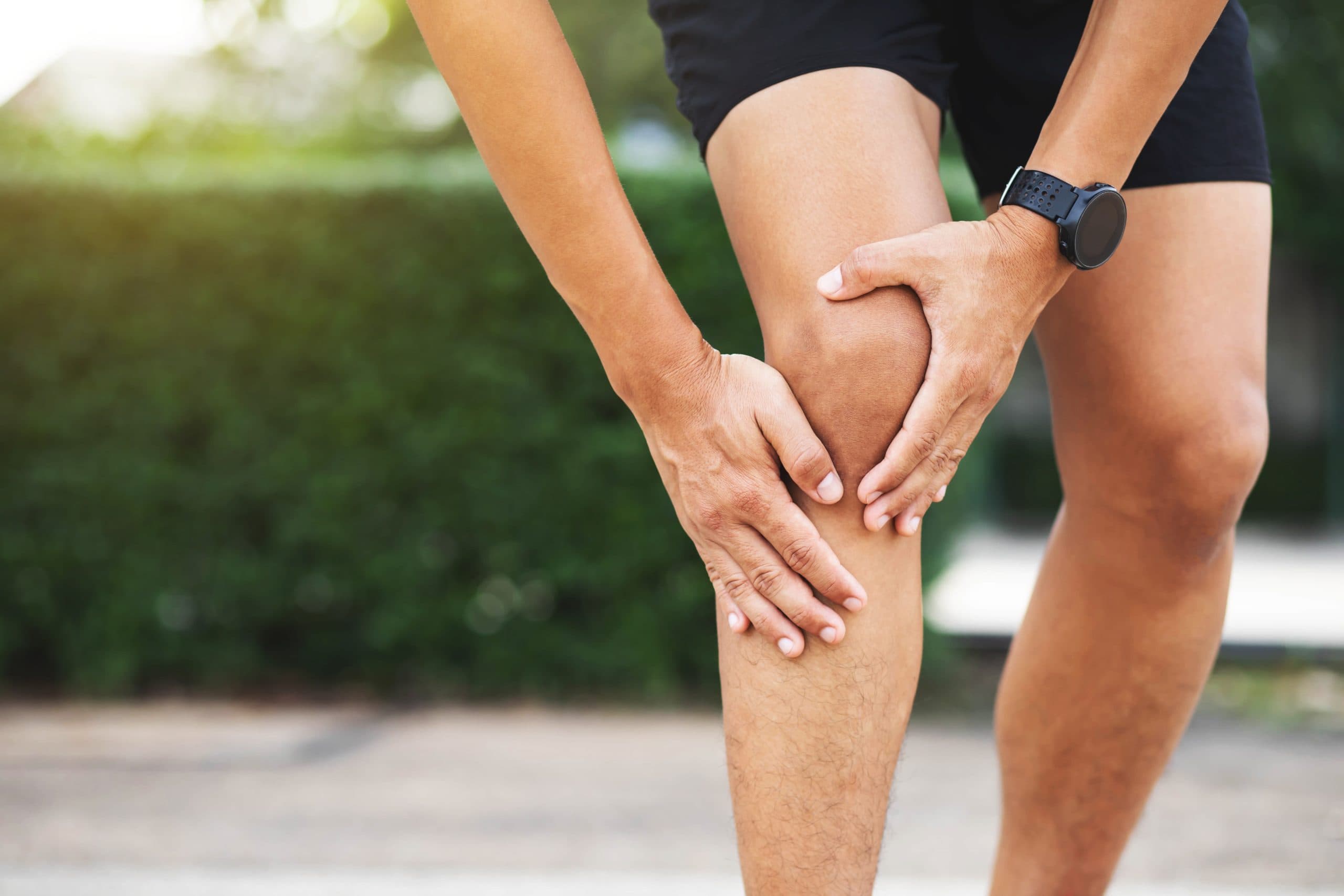
Does this sound like you?
- Deep, aching groin pain that builds during activity and lingers after
- Pain on twisting, kicking, sprinting or sit-ups
- Tenderness at the conjoint tendon or pubic tubercle
- No visible lump, but a real, repeatable site of pain
Diagnosis is clinical, supported by imaging
Professor Lee’s examination is the starting point: a careful, structured provocation test of the inguinal canal, adductors and pubic-bone region. From the pattern of pain, we already have a strong working diagnosis.
We then confirm with imaging that fits the clinical picture: dynamic ultrasound of the inguinal wall, MRI of the pubic symphysis and surrounding tendons. Open MRI is on site at our Sleaford clinic. The point is to confirm what your body is already telling us — not to fish blindly.
Treatment
PRP first, surgery only if we have to
For most patients, the right first step is biological: an ultrasound-guided PRP injection into the affected tissue, combined with a structured loading and rehabilitation programme. We reserve surgery for cases where that path doesn’t hold.
Where to next
Talk to us
Free 30-minute discovery call
Describe your symptoms and we will tell you whether your groin pain fits this picture.
Treatment
PRP for groin pain
The biological first-line pathway for Gilmore’s groin and chronic groin tendinopathy.
About your clinician
Professor Paul Lee
Consultant orthopaedic surgeon with two decades of experience in hip and groin care.